Offshore safety still demands constant attention
There are many positive stories emerging from the offshore energy sector. However, serious accidents continue to occur on platforms and vessels, with tragic loss of life still being reported.
Some incidents are major events that attract global media attention. Far too many others are smaller accidents that happen regularly across the offshore energy industry. These incidents may not make headlines, but they still have a significant impact on people, operations, and safety culture.
The safety and wellbeing of personnel is the reason MTCS was founded. Through guidance, training, and competence programmes, our purpose is to support people working in safety-critical offshore roles. This has been particularly focused on high voltage systems and high pressure hydraulics.
Competence programmes do require commitment and investment. The real question is what value can be placed on someone’s safety and, ultimately, their life.
Compensation awards for personal injury or loss of life are well documented. Settlements regularly reach hundreds of thousands, and in some cases millions of pounds, alongside substantial legal costs.
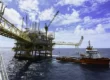
There are also wider consequences. Environmental damage and production losses can be severe. Pemex reported a loss of 700,000 barrels of output in a single day following a July accident at the Nohoch-A platform, after having to shut down almost all wells in the area.
Even setting aside the cost of competence programmes, their value is clear. Knowing that colleagues are working to agreed processes, with safety as the priority, is an outcome the industry should always support.
The race towards renewables
MTCS is increasingly engaged in offshore wind and renewable energy projects. This is a rapidly expanding sector, with UK ambitions to create more than 100,000 offshore wind jobs by 2030. Achieving this target relies on attracting and retaining around 10,000 people each year.
With this surge in personnel required to deliver the offshore wind project pipeline, competence becomes a central concern.
Data published in the 2022 Incident Report by G+ highlighted 868 reported incidents and injuries across vessels, wind turbines, and onshore activities.
The most common incidents involved lifting operations, manual handling, and access or egress activities. These tasks demand competence just as much as high voltage work, high pressure hydraulics, or launch and recovery operations.
Keeping competence aligned with industry progress
A recent report by the Floating Wind Offshore Wind Taskforce stated that up to 11 ports across the UK will need to be rapidly transformed into industrial hubs to enable floating offshore wind at scale.
Media commentary frequently refers to the need for swift and decisive action to meet these targets. However, this pace of progress does not always allow one critical factor to keep up. People.
Workforce skills are regularly highlighted as essential to achieving offshore wind ambitions. Reports call for strategies to address shortages in areas such as planning, consenting, high voltage electrical technicians, engineers, turbine technicians, and digital skills.
What is often missing from these discussions is the role of competence in underpinning those skills.
The same applies to oil and gas. Whether developing new fields, maintaining existing assets, or carrying out remediation and decommissioning at ageing facilities, the skills required must be supported by verified competence.
Competence as a foundation for safe work
MTCS fully agrees with comments made by Bruce Craig of Pinsent Masons, published by Global Underwater Hub during Maritime Safety Week.
His closing remarks underline the reality of offshore work:
People working on vessels, offshore wind turbines, or offshore installations operate in some of the most challenging environments in the world. They should be protected by the highest safety standards the industry can provide. There is never room for complacency.
Competence is not limited to the maritime sectors in which MTCS operates. Increasingly, we see offshore competence principles being applied successfully within onshore organisations that have no direct link to offshore energy.
Appropriate training, testing, qualifications, adherence to approved processes, and ongoing assessment should be standard requirements. A competent workforce is essential to creating and maintaining a safe workplace
Article references:
Reuters: ‘Mexico’s Pemex to lose some 100,000 barrels per day of crude this month after fire’
Upstream: ‘Fire breaks out at Pemex platform offshore Mexico’
https://www.upstreamonline.com/safety/fire-breaks-out-at-pemex-platform-offshore-mexico/2-1-1483344
G+ Global Offshore Wind Health and Safety Organisation, G+ 2022 Incident Data Report
Offshore Wind Industry Council: ‘Over 100,000 offshore wind jobs by 2030 with decisive action on skills’
Global Underwater Hub: ‘Maritime safety can never be taken for granted says legal expert’